
From Scrap to Showcase: Elevating Salvaged Wood and Metal

Step into a world where forgotten beams, weathered boards, and rusted steel find a second life through skilled hands and imaginative design. Today we dive into craftsmanship techniques that transform salvaged timber and metal into statement pieces, honoring scars and stories while engineering strength, longevity, and everyday utility. Expect practical methods, nuanced finishing approaches, and inspiring workshop tales that spotlight ingenuity, sustainability, and the quiet poetry of materials reborn. Join in, ask questions, and share your own rescues turned remarkable.

Sourcing with Purpose

Great work begins with mindful selection. Salvaged materials carry history, and your first task is reading it: the nail holes, bolt shadows, weather checks, mill marks, and mineral stains that hint at where each piece has traveled. Partner with responsible yards, demo crews, and farmers who document origin, species, and condition. Keep a moisture meter in your pocket, a magnet for ferrous surprises, and a patient eye for grain. Share your favorite yards or finds; the best leads often come from fellow makers.

Reading the Grain and Patina

Let texture guide your choices. Rift-sawn oak telegraphs calm lines, while reclaimed pine whispers soft warmth under a knot constellation. Oxidized steel reveals blues and browns that shift with light, suggesting restrained forms that won’t compete with surface drama. Study end grain for cracks bridging growth rings, and chase stable sections that will resist new movement. Photograph boards in raking light; the camera catches cupping and checks your eyes might miss after a long day’s hunt.

Tools for Safe Recovery

Before artistry comes safety and preparation. A sturdy pry bar, cat’s paw, oscillating multi-tool, and metal detector save time and skin. For metal, bring cutting oil, a reciprocating saw with bi-metal blades, and an angle grinder equipped with flap discs. Knock off scale outdoors, and capture dust with a capable extractor. Wear cut-resistant gloves, respirator, and eye protection. Nothing stalls a project like a hidden nail chewing through your planer knives or a shard launching across the shop.

Provenance as Design Driver

Let origin steer concept. Floor joists from a century-old schoolhouse practically beg to become a community table where stories continue nightly. Dock steel, pitted by salt, can anchor a console echoing tides through curved edges and gentle overhangs. Stamp dates and locations discreetly into brass tags, or tuck a handwritten note under the top for future restorers. Record board footage, species, weights, and photographs; this archive inspires future commissions and deepens client connection to every detail you reveal.

Preparing Materials for Longevity

Preparation is preservation. Start by de-nailing meticulously, mapping defects with chalk as you go. Scrub wood with a brush and mild detergent, then allow slow, even drying. Skip-plane just enough to keep sawmill history visible without sacrificing flatness. For steel, degrease thoroughly, neutralize active rust, and decide whether to stabilize or strip. Think about how finish will penetrate today and age tomorrow. The endgame is stability: quiet movement, predictable joints, and surfaces that welcome hands rather than splinters.

Floating Tenons and Loose Tongues

When boards refuse to be twins, floating tenons forgive. Rout aligned mortises with a careful fence, then fit quarter-sawn stock that resists swelling. In wild grain, lean on slow-setting epoxy thickened slightly to fill micro-voids without squeeze-out drama. For slabs, loose tongues stabilize glue lines while allowing subtle movement. Color-match glue to hide seams, or contrast intentionally to accentuate geometry. True edges beat square edges; honor the line the tree suggests rather than forcing ruler-straight conformity.

Mechanical Fasteners as Features

Black-oxide bolts, hand-peened rivets, and wedged tenons can become jewelry—functional details that anchor both structure and narrative. Recess washers in shallow counterbores to catch light, and align bolt heads consistently for rhythm. Back up weak sections with hidden steel straps, then echo that strength with a visible fastener that ties the story together. Pre-finish parts to keep squeeze-out manageable. When clients ask, show exploded drawings; transparency about how things hold together builds enduring appreciation and care.

Finishes that Celebrate Story

Finish is voice. It should whisper of rain, sun, salt, soot, and the lives previously lived. Seek tactile honesty—surfaces people want to touch without fear. Oils and hardwaxes keep grain close and breathable; hand-burnished wax over stabilized rust preserves depth without plastic glare. Test colors in morning and evening light because patina changes with the sky. Build protection where hands land, not everywhere equally. Above all, let finish reveal, not conceal, the pages written before you arrived.

Low-Sheen, High-Feel Oils

Tung and polymerized linseed oils sink into reclaimed fibers, lifting figure while retaining a matte calm that flatters aged wood. Hardwax oils add abrasion resistance in kitchens and entryways without encasing character. Wet-sand the second coat with fine grit to create a slurry that fills pores naturally, then buff patiently. In highly trafficked pieces, top with a microcrystalline wax to ease future refreshes. Invite clients to participate in the first maintenance, teaching them tactile stewardship from day one.

Reactive Treatments and Natural Dyes

Iron acetate from vinegar and steel wool can ebonize tannin-rich oak, harmonizing mismatched boards while maintaining clarity. Tea washes boost tannins before treatment, while ammonia fuming deepens tone inside a tent for subtler transitions. For steel, controlled heat coloring delivers blues and purples that read like twilight reflections. Always neutralize reactions before topcoats and record exact recipes in a finish journal. When a client asks for a remake years later, your notes turn memory into repeatable magic.

Sealing Metal Without Silencing Patina

Rust wants oxygen, finish wants barrier; striking balance is art. After stabilizing, warm the metal slightly and massage in a thin microcrystalline wax, letting it set before buffing to a soft glow. For heavy-use tables, a clear matte two-part polyurethane or powder coat can protect while avoiding plastic shine if prepped meticulously. Mask joinery interfaces so future repairs remain possible. Reassure clients: fingerprints will mellow, not mar, becoming part of the subtle dialogue across the surface.

Designing Bold Statement Pieces

Daring pieces feel inevitable, not loud. Begin with proportion: thick timbers carry visual gravity that wants quieter lines and generous negative space. Use steel to float mass—hidden brackets and cantilevered frames conjure lift without compromising strength. Let one heroic gesture lead, and keep supporting details calm. Design for rooms, not photos; consider sightlines, traffic, and touchpoints. Prototype in cardboard or pine, then test ergonomics in real scale. A statement that works hard never feels like mere spectacle.

01

Scale, Balance, and Gravity

A 3-inch-thick oak top reads monumental; pair it with slender steel legs only if the geometry earns trust through triangulation and gussets. Cantilevers look effortless when counterbalanced by hidden mass, not wishful thinking. Mock up with sandbags and clamps to audition proportions before drilling a single hole. Watch how shadows fall at different hours. When edges taper, hands believe what eyes suggest—lightness. Use that psychology to keep pieces welcoming, ensuring drama never outweighs comfort or structural reality.

02

Function First, Drama Second

Statement work earns longevity when it serves daily life: edges that invite forearms, heights that suit conversation, finishes that resist rings and keys. Let the bold move coexist with utility—drawer runners that glide silently, shelves that swallow real books, and hardware that feels reassuring every time. Ask clients about rituals: breakfast habits, music setups, or kids’ art sprawl. Design to those moments. When function sings, the visual chorus harmonizes naturally, and the piece becomes indispensable rather than decorative.

03

Modularity for Tight Doorways

Grand ideas meet small stairwells. Engineer knock-down joinery that reassembles with perfect registration: bed bolts hidden behind plugs, drawbored pegs that realign consistently, and steel flanges with indexing pins. Label parts discreetly and provide a simple toolkit with instructions. Dry-fit in the shop, then time the process to quote confidently. Clients remember delivery day; effortless assembly becomes part of the legend. Modularity protects your finish, your back, and your schedule while keeping ambition unconstrained by architecture.

Stories from the Workshop
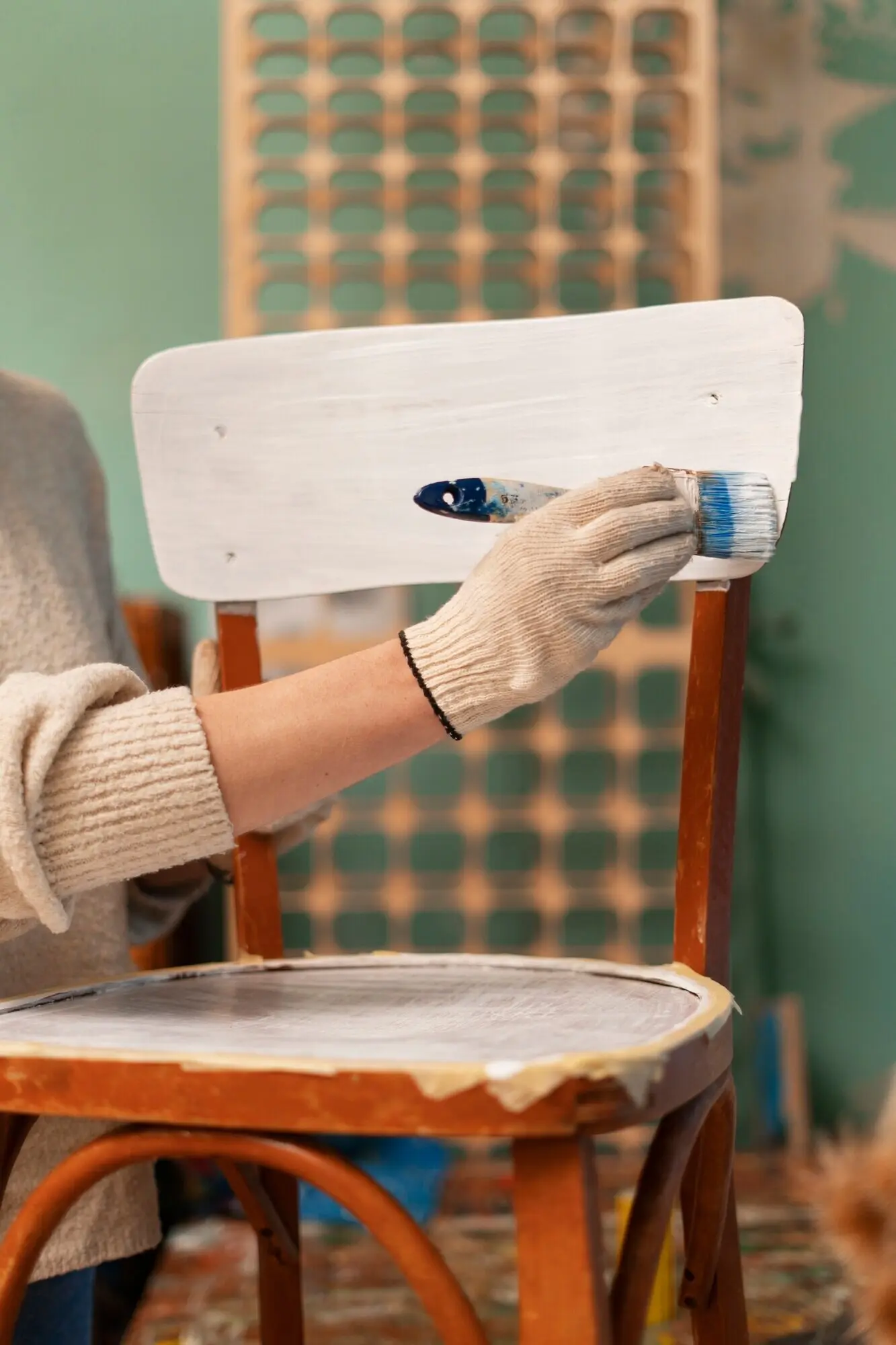
Experience sharpens judgment faster than any manual. These vignettes capture victories, mistakes, and serendipity that shaped a better approach to reclaimed wood and metal. You will find small tricks—like masking tapes that saved surfaces—and big lessons—like listening to a warped board before insisting it lie flat. Share your own wins and near-misses; together we refine methods, invent fixes, and keep one another safe. The craft advances not just through tools, but through generous storytelling and honest reflection.

Care, Repair, and Community

Enduring work grows richer with use. Teach clients simple rituals: seasonal wipe-downs, renewed wax where hands live, and coasters offered with a smile rather than a scold. Offer touch-up kits and a short care walkthrough at delivery. Design with future repairs in mind—replaceable wear parts, accessible fasteners, documented finishes, and annotated drawings. Invite questions in the comments, share your maintenance checklist, and subscribe for deep dives into techniques. Craft thrives when knowledge circulates as generously as inspiration.

Maintenance Rituals that Matter

A soft cloth, a breath of warm air, and a dab of wax can erase a week of fingerprints on metal while nourishing wood edges. Encourage monthly light care and annual deeper conditioning for dining surfaces. Show how to address a white ring before panic sets in. Provide sample boards demonstrating sheen changes over time. When care feels like participation in the piece’s life, owners become co-stewards, and that partnership protects your work far better than rules or warnings.

Repairability by Design

Build with a future you in mind. Threaded inserts outlast wood screws, finish schedules allow spot fixes, and exposed fasteners become proud accents rather than necessary evils. Document hardware sizes and torque specs, then tuck a laminated guide under a drawer. Offer a first-year tune-up to reinforce longevity. When a move or mishap occurs, parts swap cleanly and nobody meets a dead end. Repairable design turns anxiety into confidence, keeping statement pieces in service for generations.
Parutavaniruma
Privacy Overview

This website uses cookies so that we can provide you with the best user experience possible. Cookie information is stored in your browser and performs functions such as recognising you when you return to our website and helping our team to understand which sections of the website you find most interesting and useful.